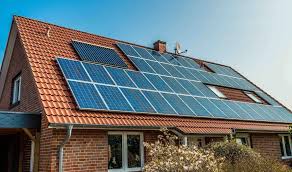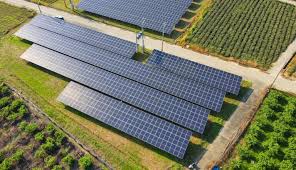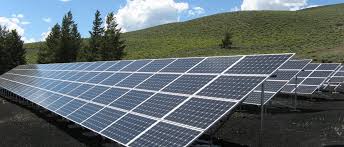

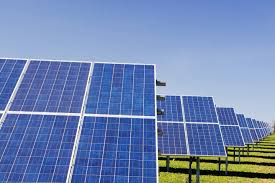
As the world accelerates its transition to clean energy, the integration of multiple renewable energy sources is becoming increasingly important for sustainable development. Among these, solar water pump inverters are widely adopted for agricultural irrigation, rural water supply, and remote area applications. When combined with other renewable energy systems—such as wind, biomass, and small hydropower—the benefits of reliability, efficiency, and energy security are further enhanced. This article explores the principles, advantages, challenges, and best practices of integrating solar pump inverters with other renewable energy systems.
-
Understanding Solar Pump Inverters
A solar pump inverter is a specialized device that converts the direct current (DC) generated by solar photovoltaic (PV) panels into alternating current (AC) or regulated DC suitable for driving water pumps. Its core function is to maximize the use of available solar energy for water lifting and distribution, often featuring advanced control algorithms like Maximum Power Point Tracking (MPPT) for optimal efficiency.
-
Rationale for Hybrid Renewable Energy Systems
While solar energy is abundant and clean, its intermittency—due to nightfall, cloudy weather, or seasonal variation—can limit continuous water supply. By integrating solar pump inverters with other renewable energy sources, systems can deliver more stable and reliable performance. Hybrid systems can automatically switch or combine energy inputs based on availability, ensuring uninterrupted operation and maximizing resource utilization.
-
Common Hybrid Configurations
a) Solar and Wind Hybrid Systems
Wind energy complements solar power well, as windy periods often occur at night or during cloudy weather when solar output is low. In a solar-wind hybrid system, both PV panels and wind turbines feed electricity to the inverter, which manages the power supply to the pump. This setup ensures more consistent water delivery and reduces the need for large battery banks.
b) Solar and Biomass/Generator Backup
In some agricultural or rural settings, biomass generators or biogas systems are available. These can be integrated as backup sources, supplying power when both solar and wind are insufficient. The inverter can be configured to prioritize renewable sources and only use generators as a last resort.
c) Solar and Small Hydropower
Where flowing water is available, small hydropower can provide a steady energy source. Combining hydropower with solar pump inverters creates a robust system that leverages both constant and variable renewables, further reducing reliance on fossil fuels.
-
Technical Considerations
– Inverter Compatibility: The solar pump inverter must support multi-source inputs or be part of a hybrid inverter/controller setup capable of managing different energy sources.
– Energy Management System (EMS): An EMS can monitor resource availability, forecast demand, and automatically switch or combine energy sources for optimal efficiency and cost-effectiveness.
– Storage Solutions: Batteries or water tanks may be used to store excess energy or water for use during periods of low renewable generation.
– Protection and Safety: Proper synchronization, surge protection, and safety protocols are essential to prevent equipment damage or energy loss.
-
Advantages of Combined Renewable Systems
– Enhanced Reliability: By leveraging multiple energy sources, hybrid systems can provide water pumping even during periods when one resource is unavailable.
– Cost Savings: Reduced dependence on diesel or grid electricity lowers operational costs and minimizes exposure to fuel price volatility.
– Environmental Benefits: Maximizing renewable energy use reduces carbon emissions and supports sustainable water management.
– Scalability: Hybrid systems can be expanded by adding more renewable sources as demand grows or technology advances.
-
Challenges and Solutions
– System Complexity: Integrating multiple energy sources increases system complexity. This can be managed with intelligent controllers and professional system design.
– Upfront Investment: Initial costs may be higher, but long-term savings and improved reliability often justify the investment.
– Maintenance: Additional components may require more maintenance, highlighting the importance of robust design and regular servicing.
-
Applications and Case Studies
– Agricultural Irrigation: Hybrid solar-wind pumping systems are used in arid regions to ensure reliable irrigation throughout the year.
– Rural Water Supply: Off-grid communities benefit from hybrid systems that guarantee water access even during prolonged cloudy or calm periods.
– Disaster Resilience: Hybrid renewable systems enhance resilience in disaster-prone areas by providing decentralized, reliable water supply.
The combined use of solar pump inverters with other renewable energy systems represents an innovative and effective approach to sustainable water management. By integrating diverse energy sources, these hybrid systems overcome the limitations of individual renewables, ensuring reliable, efficient, and environmentally friendly water pumping. As technology and control systems continue to advance, the adoption of such integrated solutions will play a vital role in global efforts to secure water and energy for all.