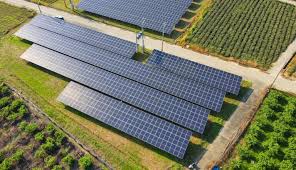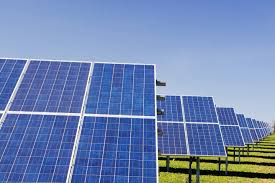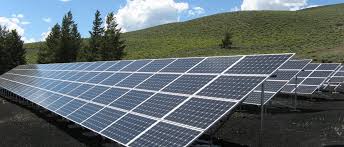

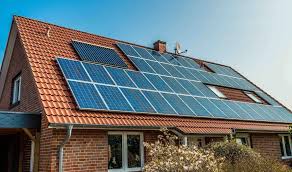
Efficient water management is vital for modern agriculture, especially in regions where water resources are scarce or unevenly distributed. Automated irrigation district management systems are increasingly utilized to optimize water allocation, reduce labor, and improve crop yields. Solar water pump inverters, which harness renewable energy and enable intelligent control, play a key role in this transformation. This article explores how solar water pump inverters are integrated into automated irrigation districts, their benefits, and technical considerations for successful implementation.
- Introduction to Automated Irrigation District Management
Irrigation districts are large-scale agricultural areas managed collectively to deliver water from sources such as rivers, reservoirs, or groundwater to farms and fields. Automation in these districts involves using sensors, controllers, and communication networks to monitor soil moisture, weather, water flow, and pump status. Automated systems enable remote scheduling and control of irrigation, ensuring precise water delivery based on real-time needs and environmental conditions.
- Solar Water Pump Inverters: Function and Advantages
Solar water pump inverters convert the direct current (DC) generated by photovoltaic (PV) panels into alternating current (AC) suitable for driving water pumps. Equipped with advanced control algorithms such as Maximum Power Point Tracking (MPPT), these inverters maximize solar energy utilization and adapt pump operation to available sunlight.
Key advantages in automated irrigation management include:
– Renewable Energy Utilization: Reduces dependence on grid electricity or diesel, lowering operational costs and carbon emissions.
– Intelligent Control: Modern inverters can be integrated with automation controllers and sensors for remote monitoring, fault diagnosis, and adaptive scheduling.
– Scalability: Solar pump systems can be deployed at various scales, from individual farm plots to district-wide pumping stations, adapting to diverse water demand scenarios.
- Benefits of Integration with Automation
- a) Energy Efficiency and Cost Savings
Solar-powered pumping eliminates or significantly reduces energy bills, especially in regions with high electricity tariffs or unreliable grids. Inverters with MPPT ensure maximum available solar energy is converted into water pumping, optimizing efficiency.
- b) Sustainability
Using solar energy supports climate goals by reducing greenhouse gas emissions. Automated management further enhances sustainability by minimizing water waste and preventing over-irrigation.
- c) Reliability and Resilience
Solar water pump systems are less vulnerable to power outages and fuel shortages. Automation enables predictive maintenance, early fault detection, and rapid response to system failures, ensuring continuous water supply.
- d) Labor Optimization
Automated control reduces the need for manual intervention in pump operation and irrigation scheduling. Water delivery can be precisely matched to crop requirements, improving yields and resource use efficiency.
- Technical Considerations for Implementation
- a) System Design and Sizing
Proper assessment of water demand, solar resource availability, and pump requirements is essential. The inverter’s capacity must match the pump’s power needs and the solar array’s output.
- b) Integration with Automation Platforms
Solar water pump inverters should support standard communication protocols (e.g., Modbus, RS485, GSM, IoT) for seamless integration with district management software, sensors, and controllers.
- c) Environmental Protection
Inverters deployed outdoors need robust enclosures (IP65 or higher) to withstand dust, moisture, and extreme temperatures. Regular maintenance and monitoring are crucial for long-term reliability.
- d) Data Analytics and Decision Support
Automated systems can leverage data from sensors and pump controllers to optimize irrigation schedules, detect leaks or inefficiencies, and provide actionable insights for district managers.
- Future Trends and Innovations
– AI and Machine Learning: Advanced analytics can predict water demand, optimize pump operation, and automate fault detection.
– Hybrid Renewable Systems: Integration with other renewables (e.g., wind, micro-hydro) can further enhance reliability.
– Remote and Mobile Monitoring: Cloud-based platforms and mobile apps enable real-time system management from anywhere.
The integration of solar water pump inverters into automated irrigation district management represents a significant advancement in agricultural water resource utilization. By combining renewable energy with intelligent control, these systems deliver sustainable, reliable, and efficient water supply, supporting food security and environmental stewardship. As technology evolves, the synergy between solar pump inverters and automation will play a vital role in the future of smart agriculture.