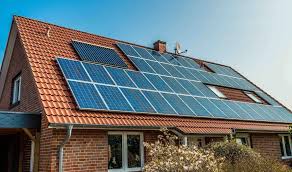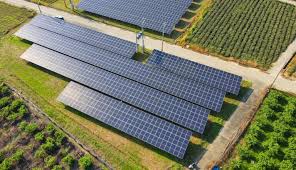

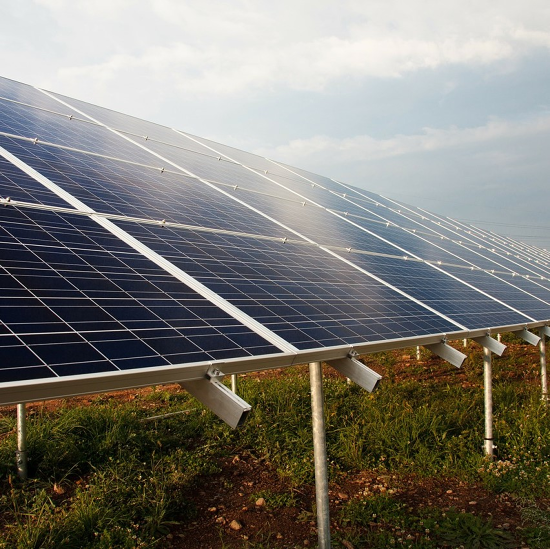
Solar pump inverters are essential components in modern water management systems, especially in remote or off-grid areas where solar energy is the primary source of power. These devices convert the direct current (DC) from solar panels into alternating current (AC) to drive water pumps, enabling efficient irrigation, livestock watering, and rural water supply. However, solar pump inverters operate in diverse and often challenging environments, making environmental prevention and troubleshooting critical to ensuring their reliability and longevity. This article explores key environmental protection measures and common troubleshooting strategies for solar pump inverters.
-
Environmental Prevention Measures
- a) Protection Against Dust and Water
Solar pump inverters are frequently installed outdoors, exposing them to dust, rain, and humidity. To prevent environmental damage:
– Choose inverters with high protection ratings: Select models with IP65 or higher ratings, ensuring resistance to water jets and dust ingress.
– Proper enclosure: Install the inverter in a weatherproof cabinet or shelter if the local climate is particularly harsh.
– Regular cleaning: Remove accumulated dust, leaves, and debris from the inverter housing and ventilation openings to maintain cooling efficiency.
- b) Temperature Management
Extreme temperatures can affect inverter performance and lifespan.
– Install in shaded areas: Avoid direct sunlight exposure by placing the inverter under a canopy or inside a ventilated enclosure.
– Ensure adequate ventilation: Maintain clear airflow around the inverter to prevent overheating.
– Monitor temperature: Some advanced inverters feature built-in temperature sensors and alarms for proactive management.
- c) Protection Against Lightning and Surges
Outdoor installations are vulnerable to lightning strikes and electrical surges.
– Grounding: Properly ground the inverter and solar array according to manufacturer guidelines.
– Surge protection devices: Install surge arrestors on both the DC and AC sides to protect sensitive electronics.
– Regular inspection: Check grounding connections and surge protectors periodically.
- d) Preventing Animal and Insect Intrusion
Animals and insects can damage wiring and internal components.
– Seal entry points: Use mesh or covers to block access to inverter enclosures.
– Regular inspection: Look for signs of nesting or chewing and address issues promptly.
-
Common Faults and Troubleshooting
Despite preventive measures, faults may still occur due to environmental factors, component wear, or installation errors. Here are common issues and troubleshooting steps:
- a) No Output or Pump Not Running
– Check solar panel connections: Loose or corroded terminals can interrupt power supply.
– Inspect fuses and breakers: Replace blown fuses or reset tripped breakers.
– Verify input voltage: Ensure the solar array is providing sufficient voltage for inverter operation.
- b) Overheating or Thermal Shutdown
– Check ventilation: Make sure cooling fans are operational and vents are not blocked.
– Reduce load: If ambient temperature is high, reduce the pump load or operate during cooler hours.
– Clean inverter surface: Dust buildup can insulate the inverter, causing overheating.
- c) Water Ingress and Corrosion
– Inspect seals and gaskets: Replace damaged seals to prevent water entry.
– Dry and clean: If water ingress occurs, disconnect the inverter, dry thoroughly, and clean corroded terminals before restarting.
- d) Fault Codes and Alarms
Most solar pump inverters display fault codes for easy diagnostics.
– Refer to manual: Consult the inverter’s troubleshooting guide for specific error codes.
– Reset or restart: Some faults can be cleared by resetting or cycling power.
– Contact support: For persistent or unclear faults, seek manufacturer technical support.
- e) Decreased Pump Performance
– Check for shading or dirty panels: Clean solar panels and remove obstructions to restore power output.
– Inspect wiring: Damaged or loose wires can reduce efficiency.
– Monitor pump health: Ensure the pump is not blocked or worn.
-
Maintenance Best Practices
– Scheduled inspections: Regularly check all system components, including panels, inverters, and pumps.
– Record keeping: Maintain a log of faults, repairs, and maintenance activities for future reference.
– Training: Educate operators on basic troubleshooting and environmental protection procedures.
Solar pump inverters offer a sustainable solution for water supply, but their performance depends heavily on effective environmental prevention and prompt troubleshooting. By implementing robust protection measures and following systematic fault diagnosis procedures, users can maximize system uptime, reduce maintenance costs, and ensure reliable water delivery in any environment. For more detailed guidance, always refer to the manufacturer’s installation and maintenance manuals, and consult technical experts when needed.