
As the world faces increasing water scarcity and rising energy costs, efficient and sustainable irrigation methods have become essential for agriculture and landscaping. Solar water pumps are emerging as a transformative solution, enabling farmers and landowners to harness renewable energy for irrigation while reducing operational costs and environmental impact. This article explores the ways solar water pumps can improve the efficiency of irrigation systems and offers practical guidance for their implementation.
-
Understanding Solar Water Pumps
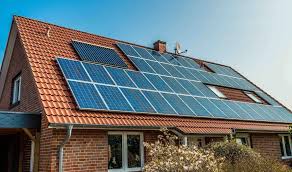
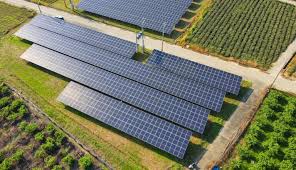
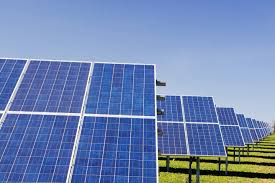
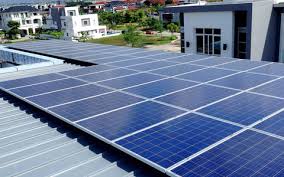
Solar water pumps convert sunlight into electricity using photovoltaic (PV) panels, which then power electric pumps to draw water from wells, rivers, or reservoirs. Unlike traditional pumps that rely on grid electricity or diesel generators, solar pumps operate independently, making them ideal for remote or off-grid locations. They come in various types, including submersible, surface, and floating pumps, catering to different water sources and irrigation needs.
- Key Benefits of Solar Water Pumps for Irrigation Efficiency
- Reliable and Consistent Water Supply
Solar water pumps provide a dependable water source, especially in regions with abundant sunlight. This reliability ensures that crops receive timely irrigation, which is critical for optimal growth and yield. Consistent water supply reduces the risk of crop stress and loss, particularly during dry seasons or in areas with unreliable grid power.
- Cost Savings and Economic Efficiency
Once installed, solar water pumps have minimal operating costs since sunlight is free. This eliminates or drastically reduces fuel and electricity expenses associated with traditional pumps. Over time, the savings on energy bills can offset the initial investment, making solar pumps a cost-effective solution for both small-scale and large-scale irrigation.
- Environmental Sustainability
Solar water pumps produce zero emissions during operation, helping to reduce the carbon footprint of agricultural activities. By eliminating the need for diesel or grid electricity, these systems contribute to cleaner air and a healthier environment, aligning with global sustainability goals.
- Automation and Smart Control
Modern solar pumping systems can be integrated with smart controllers, sensors, and timers. These features enable automated irrigation schedules based on soil moisture levels, weather forecasts, or crop requirements. Automation not only conserves water but also ensures that irrigation is precisely matched to plant needs, improving both efficiency and productivity.
2.Practical Steps to Enhance Irrigation Efficiency with Solar Water Pumps
- Assess Water and Energy Needs
Before installing a solar water pump, evaluate your irrigation requirements, including the volume of water needed, pumping head (vertical lift), and daily operating hours. This assessment helps in selecting the right pump size and solar panel capacity for your specific application.
- Optimize System Design
Work with professionals to design a solar pumping system that matches your irrigation layout. Consider factors such as:
– The type of pump (submersible for deep wells, surface for shallow sources)
– Solar panel orientation and tilt for maximum sun exposure
– Storage tanks to buffer water supply for cloudy days or nighttime use
- Implement Drip or Sprinkler Irrigation
Combining solar pumps with efficient irrigation methods like drip or sprinkler systems further enhances water use efficiency. Drip irrigation delivers water directly to plant roots, minimizing evaporation and runoff, while sprinklers can be programmed to operate during optimal hours.
- Monitor and Maintain the System
Regularly check the solar panels, pump, and controllers to ensure optimal performance. Clean panels to remove dust and debris, inspect wiring for damage, and service the pump as recommended by the manufacturer. Monitoring systems can provide real-time data on water usage and energy production, enabling proactive maintenance.
- Overcoming Challenges
While solar water pumps offer significant benefits, they require an upfront investment and careful system sizing. In regions with limited sunlight or high water demand, hybrid systems that combine solar with grid or generator backup may be necessary. Government incentives, grants, and financing options can help offset initial costs and accelerate adoption.
Solar water pumps are revolutionizing irrigation by providing a sustainable, cost-effective, and reliable alternative to traditional pumping methods. By integrating solar technology with efficient irrigation practices, farmers and landowners can optimize water use, reduce energy expenses, and support environmental stewardship. As technology advances and costs continue to fall, solar water pumps are set to become a cornerstone of modern, efficient irrigation systems worldwide.